

Neurological Damage post thumbnail image

Best Neurological Damage Treatment In Delhi NCR.

What Does Neurological Damage Mean?

A particular type of rehabilitation called neurological physical therapy is intended to assist people who have difficulty moving because of illnesses or injuries that impact the nerve system. For patients with a range of neurological disorders, this therapy is essential for recovering function and raising general quality of life.

Treatments for Common Neurological Conditions

Physical therapists frequently handle a variety of neurological conditions, such as:

  • A stroke
  • Damage to the Brain (TBI)
  • Damage to the Spinal Cord
  • Parkinson’s illness
  • MS, or multiple sclerosis
  • Syndrome Guillain-Barré
  • ALS, or amyotrophic lateral sclerosis
  • Ataxia
  • Mental Illness
  • Alzheimer’s disease
  • Significant impairments in mobility, balance, coordination, and general functional independence may result from these diseases.
Goals of Neurological Physical Therapy

The primary objectives of neurological physical therapy include:

  • Restoring Range of Motion: Improving flexibility and movement in affected areas.
  • Enhancing Strength and Functional Movement: Building muscle strength to support daily activities.
  • Gait Training: Helping patients improve their walking patterns and stability.
  • Balance Re-training: Reducing the risk of falls through improved balance and coordination.
  • Activities of Daily Living (ADL) Training: Assisting patients in regaining the ability to perform everyday tasks independently.
  • Motor Control and Planning Improvement: Teaching patients how to plan and execute movements effectively.
Treatment Approaches

Neurological physical therapy utilizes various techniques and exercises tailored to the individual needs of patients. Common treatment methods include:

Therapeutic Exercises: These may involve strengthening, stretching, and balance exercises to enhance mobility and function.

  • Manual Therapy: Hands-on techniques such as massage and joint mobilization to alleviate pain and improve movement.
  • Neuroplasticity Techniques: Exercises designed to encourage the brain to form new connections and compensate for lost functions.
  • Assistive Devices Training: Guidance on using equipment like walkers or wheelchairs to enhance mobility and independence.
Importance of Early Intervention

Starting physical therapy as soon as possible after a neurological event, such as a stroke or injury, is crucial. Early intervention can help slow the progression of symptoms, maintain strength and balance, and improve overall outcomes. Physical therapists work closely with patients to develop personalized treatment plans that adapt as the patient’s condition evolves.

Neurological physical therapy is essential for individuals with neurological conditions, offering a pathway to regain independence and improve quality of life. Through targeted interventions and a focus on neuroplasticity, physical therapists empower patients to overcome challenges associated with their conditions, helping them achieve their rehabilitation goals and maintain functional abilities.

What specific exercises are most effective for neurological conditions?

Physical therapy plays a crucial role in the rehabilitation of individuals with neurological conditions. Specific exercises can significantly enhance mobility, strength, balance, and overall quality of life. Here are some of the most effective exercises tailored for various neurological conditions:
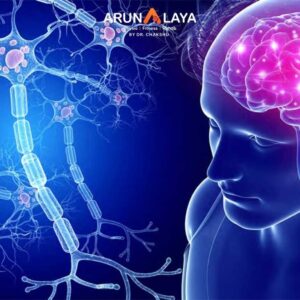
  1. Strengthening Exercises: Strengthening exercises are vital for improving muscle function and overall mobility. These may include:
    • Resistance Training: Using weights, resistance bands, or body weight to build muscle strength. This is particularly beneficial for conditions like Parkinson’s Disease and Multiple Sclerosis (MS) where muscle weakness is common.
    • Weightlifting: Focus on major muscle groups, as stronger muscles can lead to better functional outcomes. Patients should aim for 10-15 repetitions per set, gradually increasing resistance as tolerated.
  1. Balance and Coordination Training: Improving balance and coordination is essential for reducing fall risk and enhancing mobility. Effective exercises include:
    • Tai Chi and Yoga: These practices improve balance, flexibility, and mental focus, making them beneficial for individuals with conditions like Parkinson’s Disease.
    • Balance Exercises: Activities such as standing on one leg, heel-to-toe walking, and using balance boards can enhance stability and coordination.
  1. Aerobic Exercises: Aerobic activities are important for cardiovascular health and can help combat fatigue associated with neurological conditions. Recommended exercises include:
    • Walking: A simple yet effective way to improve endurance and overall fitness. It can be adapted to the individual’s ability, making it accessible for most patients.
    • Swimming or Aqua Aerobics: These low-impact exercises reduce stress on joints while providing resistance, making them suitable for those with mobility issues.
  1. Stretching and Flexibility Exercises: Regular stretching helps maintain range of motion and prevent stiffness. Effective methods include:
    • Static Stretching: Focus on major muscle groups, particularly those that may be tight due to neurological conditions. Stretching should be done gently and held for 15-30 seconds.
    • Dynamic Stretching: Incorporating movements that mimic daily activities can also enhance flexibility and functional mobility.
  1. Functional Movement Training: Exercises that mimic daily activities can help patients regain independence. This includes:
    • Gait Training: Specific exercises to improve walking patterns, such as using treadmills or walking over various surfaces.
    • Activities of Daily Living (ADL) Training: Practicing tasks like reaching, bending, and transferring to and from different surfaces can enhance independence.
  1. Neuroplasticity Exercises: These exercises focus on retraining the brain and body to work together effectively. They often involve repetitive motions and tasks that challenge coordination and motor skills.
    • Task-Specific Training: Engaging in activities that require specific movements, like reaching for objects or performing fine motor tasks, can promote neuroplasticity and improve function.

BOOK AN APPOINTMENT


    Neurological Damage treatment in Delhi | Best treatment and cure for Neurological Damage relief | Neurological Damage solutions Delhi NCR | Neurological Damage relief in New Delhi | Neurological Damage clinic Delhi | Neurological Damage exercise and physiotherapy | Neurological Damage specialist Delhi | Neurological Physiotherapy Near Me India | Stroke Rehab Physiotherapy India
    FAQ

    What is neurological damage?

    Neurological damage refers to injury or dysfunction affecting the brain, Spinal Cord, or nerves. It can cause movement, balance, or cognitive problems. Timely rehabilitation plays a critical role in recovery, and specialized care under experienced professionals ensures lasting results.

    Where can I find the Best Neurological Treatment in Delhi NCR?

    If you’re searching for the Best Neurological Treatment in Delhi NCR, look for a multidisciplinary team that includes neurologists and physiotherapists. Clinics like Arunalaya Sport Physiotherapy and Rehab provide advanced neurological care using targeted neurotherapy and physiotherapy for nervous system recovery.

    Who offers the best Neurological Treatment in Delhi region?

    The best Neurological Treatment in Delhi combines medical management with nerve repair and rehabilitation. It addresses conditions like stroke, ALS, Ataxia, and spinal cord disorders by improving muscle control and brain‑body coordination.

    How does physiotherapy help in neurological recovery?

    The best physiotherapy for Neuro focuses on motor retraining, balance control, and strength development. It supports recovery from multiple neurological conditions, including Spinal Cord injury and brain dysfunction, through personalized sessions guided by trained therapists.

    Is there a Neuro clinic near me offering advanced therapies?

    Yes, you can find a Neuro clinic near me in Delhi NCR that provides tailored rehabilitation plans for neurological damage. Clinics like Arunalaya Sport Physiotherapy and Rehab offer physiotherapy, neurotherapy, and long‑term follow‑up care designed by experts.

    neurological conditions?

    One who specializes in diagnosing and treating disorders of the brain, nerves, and spinal cord. They work closely with physiotherapists to restore body function, especially after injury, stroke, or progressive conditions such as Ataxia.

    How to find the best neurologist for Spinal Cord or brain injury?

    You can locate best neurologist by checking credentials, experience in Spinal Cord repair, and patient reviews. A good neurologist, supported by physiotherapy and neuro rehabilitation, ensures quicker recovery and improved physical function.

    What conditions are treated under neurological physiotherapy?

    Neurological physiotherapy covers ALS, Ataxia, spinal cord injuries, and brain trauma. Each session focuses on restoring movement, balance, and independence, forming a major part of the best physiotherapy for Neuro recovery process.

    Why choose a combined neurologist and physiotherapy setup for treatment?

    Combining neurological consultation with physiotherapy delivers the best neurological treatment outcomes. While the neurologist diagnoses and manages the condition, physiotherapists at centers like Arunalaya Sport Physiotherapy and Rehab help train muscles, improve function, and enhance recovery speed.