

Postpartum Pelvic Floor Recovery at Arunalaya post thumbnail image

Postpartum Pelvic Floor Recovery at Arunalaya

pelvic
What is Advance pain managment

Because Healing After Birth Is More Than Just Baby Steps

Childbirth transforms your body — but pain, leakage, heaviness, or weakness shouldn’t be part of your new normal. At Arunalaya Physiotherapy, we help mothers rebuild pelvic floor strength, restore control, and reconnect with their bodies — gently, naturally, and with the care you deserve.

What is Postpartum Pelvic Floor Dysfunction?

What is Advance pain managment

After pregnancy and delivery, the pelvic floor muscles — which support your bladder, uterus, and bowel — can become weakened, stretched, or injured, leading to a range of symptoms:

  • Leaking urine when you cough, sneeze, or lift
  • A heavy or “falling” feeling in your pelvis
  • Pain during intercourse
  • Incomplete bladder or bowel emptying
  • Lower back, hip, or tailbone pain


    You’re Not Alone — And It’s Not “Just Part of Motherhood”

    What is Advance pain managment

    Up to 1 in 3 women experience pelvic floor dysfunction after childbirth — especially after:

    • Vaginal deliveries
    • Instrumental births (forceps/vacuum)
    • Perineal tearing or episiotomies
    • Large babies or prolonged labor
    • C-sections (yes, core and pelvic strain still occurs!)

    Our Postpartum Rehab at Arunalaya

    What is Advance pain managment

    We go beyond the usual “rest and heal” advice — offering structured, science-backed recovery plans customized for your postpartum journey.

    Our Pelvic Floor Recovery Includes:

    • Internal & External Pelvic Floor Assessment
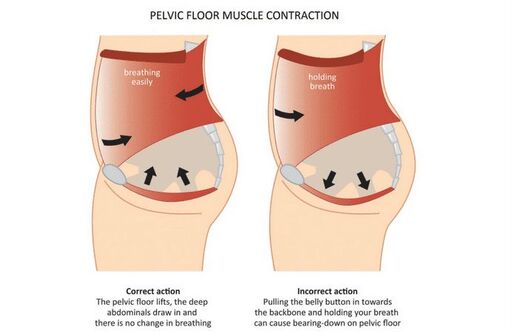
    • Gentle Pelvic Floor Muscle Retraining (not just Kegels!)
    • Breathing & Core Coordination Therapy
    • C-section Scar Mobilization & Adhesion Release
    • Pelvic Organ Support & Prolapse Management
    • Return-to-Exercise Planning (Diastasis Recti Safe)
    • Bladder & Bowel Reeducation

    Why Choose Arunalaya?

    • Certified Women’s Health Physiotherapists
    • Private, one-on-one sessions in a respectful space
    • Tailored plans for both vaginal and C-section births
    • Compassion-first care — because healing takes time
    • Focus on empowerment, education, and real results

    Real People. Real Relief.

    What is Advance pain managment

    “I thought leaking was just part of motherhood. Arunalaya helped me heal, understand my body, and feel strong again — from the inside out.” — New mom, 6 months postpartum

    See Recovery in Action

    What is Advance pain managment

    Real stories. Real progress. Real women just like you who trusted Arunalaya to guide them back to strength, confidence, and full function.

    The Best Time to Start? Now.

    What is Advance pain managment

    Whether you gave birth 6 weeks or 6 years ago — it’s never too late to start your pelvic floor recovery. You deserve to feel whole, strong, and pain-free.

    What is postpartum pelvic floor dysfunction and why does it happen?

    It occurs when pelvic muscles weaken after childbirth, causing leakage, heaviness, pain, or incomplete bladder emptying, requiring specialized pelvic floor therapy.

    How can pelvic floor therapy in India help new mothers recover?

    Pelvic floor therapy in India strengthens core and pelvic muscles, restores bladder control, relieves pain, and helps mothers regain confidence postpartum.

    Why should I choose Arunalaya for postpartum pelvic floor recovery?

    Arunalaya offers certified women’s health physiotherapists, personalized care, and science-backed programs ensuring safe, compassionate, and effective postpartum healing.

    Is pelvic floor therapy only needed after vaginal deliveries?

    No, even C-section mothers benefit since pelvic and core muscles still experience strain, weakness, and require proper therapy for recovery.

    When is the right time to start pelvic floor therapy after childbirth?

    You can begin within weeks postpartum, but it’s never too late—Arunalaya supports women whether six weeks or six years later.