
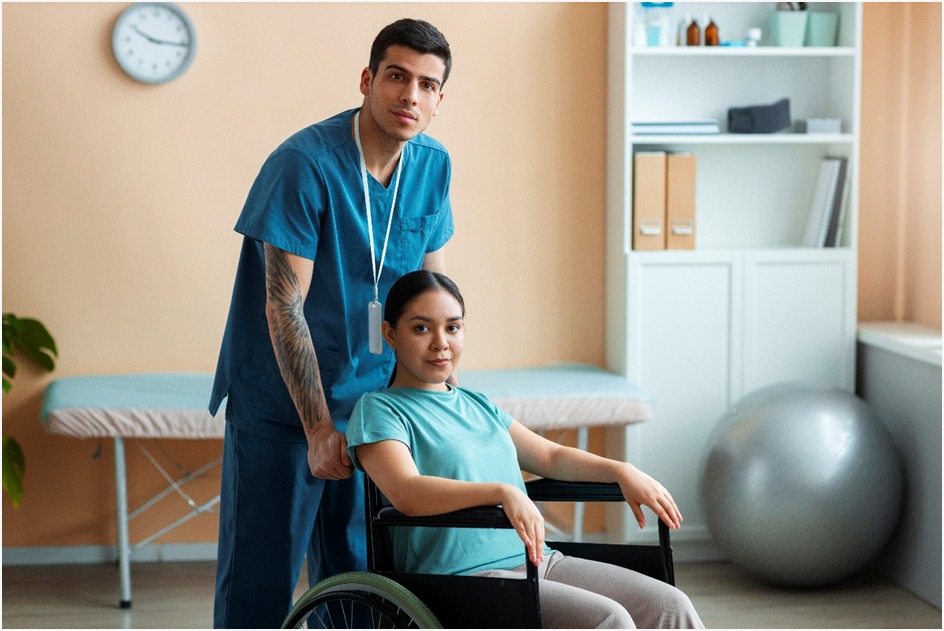
Stroke is one of the leading causes of long-term disability, often affecting movement, balance, speech, and daily independence. Recovery after a stroke is a gradual process that requires structured rehabilitation, consistency, and expert guidance. Stroke physiotherapy plays a vital role in helping individuals regain lost functions, improve mobility, and rebuild confidence to return to everyday life.
Early and appropriate physiotherapy intervention significantly improves recovery outcomes and reduces long-term complications.
Understanding the Role of Stroke Physiotherapy
After a stroke, damage to the brain disrupts communication between the brain and muscles, leading to weakness, stiffness, poor coordination, or paralysis on one side of the body. Stroke physiotherapy focuses on retraining the nervous system through repetitive, goal-oriented movements. This process, known as neuroplasticity, allows the brain to form new connections and relearn lost motor skills.
A structured rehabilitation program helps improve walking ability, balance, posture, hand function, and overall independence.
How Stroke Physiotherapy Supports Recovery
Stroke physiotherapy begins with a detailed assessment to understand the extent of weakness, muscle tone changes, balance issues, and functional limitations. Treatment is then customized to the individual’s stage of recovery and goals. Therapy focuses on improving muscle strength, reducing stiffness, enhancing joint mobility, and restoring coordination.
Regular physiotherapy also helps prevent secondary complications such as joint stiffness, muscle shortening, bed sores, and postural deformities, which are common when movement is limited for long periods.
Importance of Early and Consistent Rehabilitation
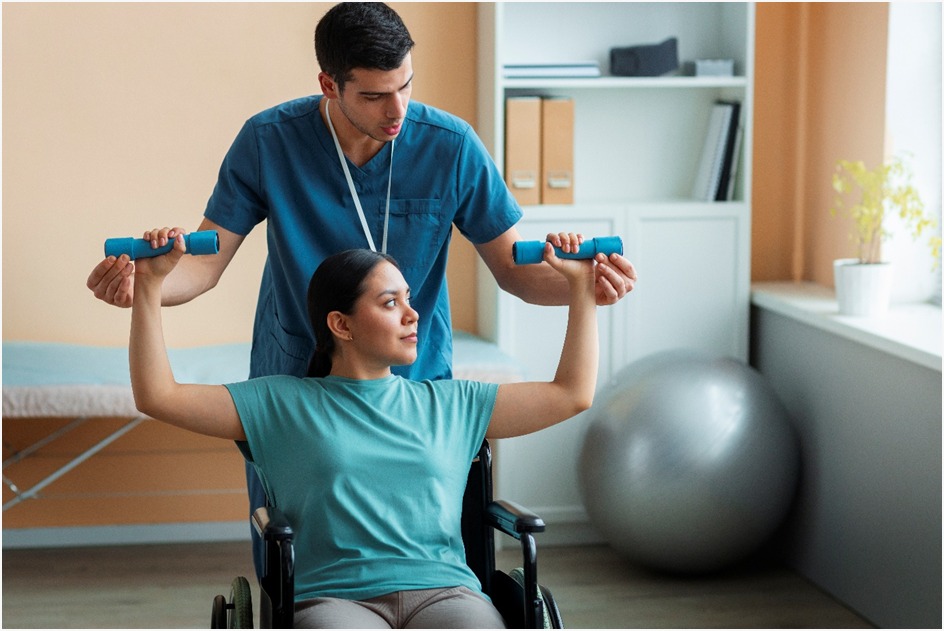
The earlier stroke physiotherapy is started, the better the chances of functional recovery. Early intervention helps activate weak muscles, improve circulation, and stimulate brain recovery. Consistency is equally important, as repeated practice strengthens neural pathways and improves long-term outcomes.
Whether therapy is started in the hospital, rehabilitation center, or at home, continuity of care plays a crucial role in recovery.
Stroke Physiotherapy at a Physiotherapy Center in Delhi
Choosing a specialized physiotherapy center in Delhi ensures access to trained professionals who understand neurological rehabilitation. Such centers offer structured therapy programs designed to address walking difficulties, balance problems, arm and hand function, and daily activity training.
For stroke survivors who also experience associated conditions such as back pain or spinal stiffness, integrated care is essential. Many patients benefit from combined neurological and musculoskeletal rehabilitation, especially when searching for a spine clinic near me or back pain physiotherapy near me as part of their recovery journey.
Home-Based Stroke Physiotherapy for Better Comfort
Many stroke survivors face difficulty traveling due to mobility limitations. In such cases, consulting a physiotherapist for home visit in Patel Nagar or nearby areas can be highly beneficial. Home-based stroke physiotherapy allows patients to receive personalized care in a familiar environment, which improves comfort, compliance, and emotional well-being.
Home sessions focus on functional activities such as bed mobility, sitting balance, standing, walking, and using the affected arm in daily tasks. Family members are also educated to support recovery safely at home.
Benefits of Stroke Physiotherapy
Stroke physiotherapy helps improve muscle strength, balance, coordination, and joint mobility. It enhances independence in daily activities such as walking, dressing, and personal care. Regular therapy reduces the risk of falls, improves posture, and boosts confidence. Beyond physical recovery, physiotherapy positively impacts mental health by encouraging active participation and goal achievement.
With the right guidance, many stroke survivors experience meaningful improvements in their quality of life.
When to Start Stroke Physiotherapy
Stroke physiotherapy should begin as soon as the individual is medically stable. Delaying rehabilitation may lead to increased stiffness, weakness, and dependency. Even in chronic stroke cases, physiotherapy can still bring significant improvements in mobility and function when done correctly and consistently.
A Step Toward Independent Living
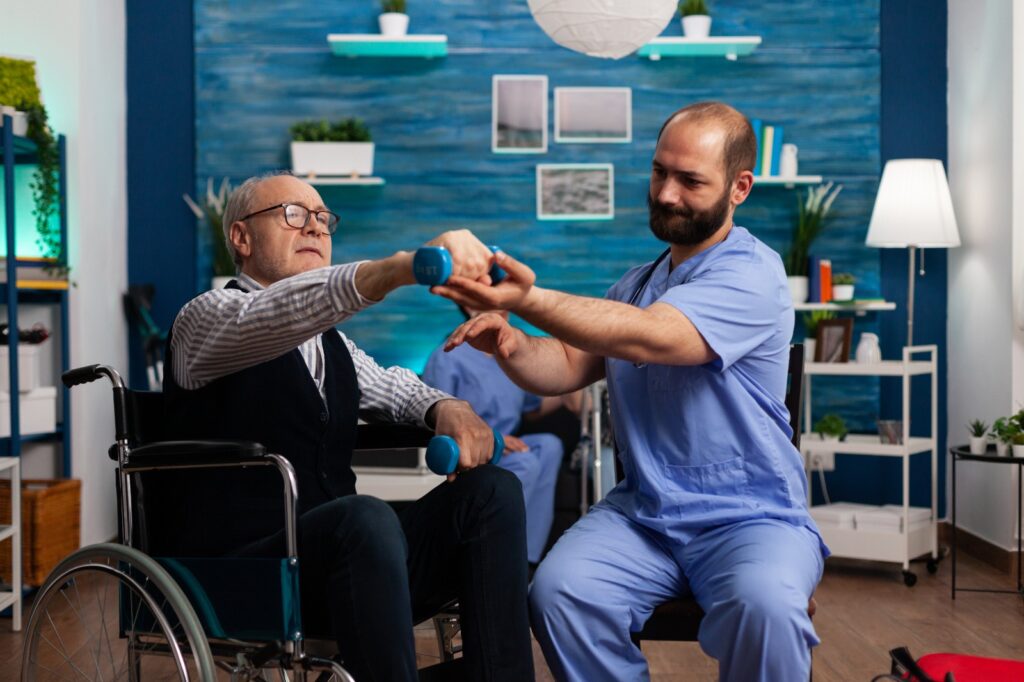
Stroke recovery is a journey that requires patience, dedication, and professional support. Stroke physiotherapy provides a structured, evidence-based pathway toward regaining movement and independence. Whether through a specialized physiotherapy center in Delhi or home-based sessions, timely rehabilitation empowers stroke survivors to reclaim control over their lives.
Disclaimer:
This content is for informational purposes only and does not replace professional medical advice. Stroke rehabilitation should always be guided by a qualified physiotherapist after proper assessment.

